

Full-Grain vs. Italian Leather: What's the Difference and Why It Matters for Your Bag
You've probably seen both terms everywhere — full-grain leather, Italian leather — sometimes on the same product tag. But what do they actually mean? And more importantly, which one should you be looking for when you're investing in a bag that's supposed to last years, not months?
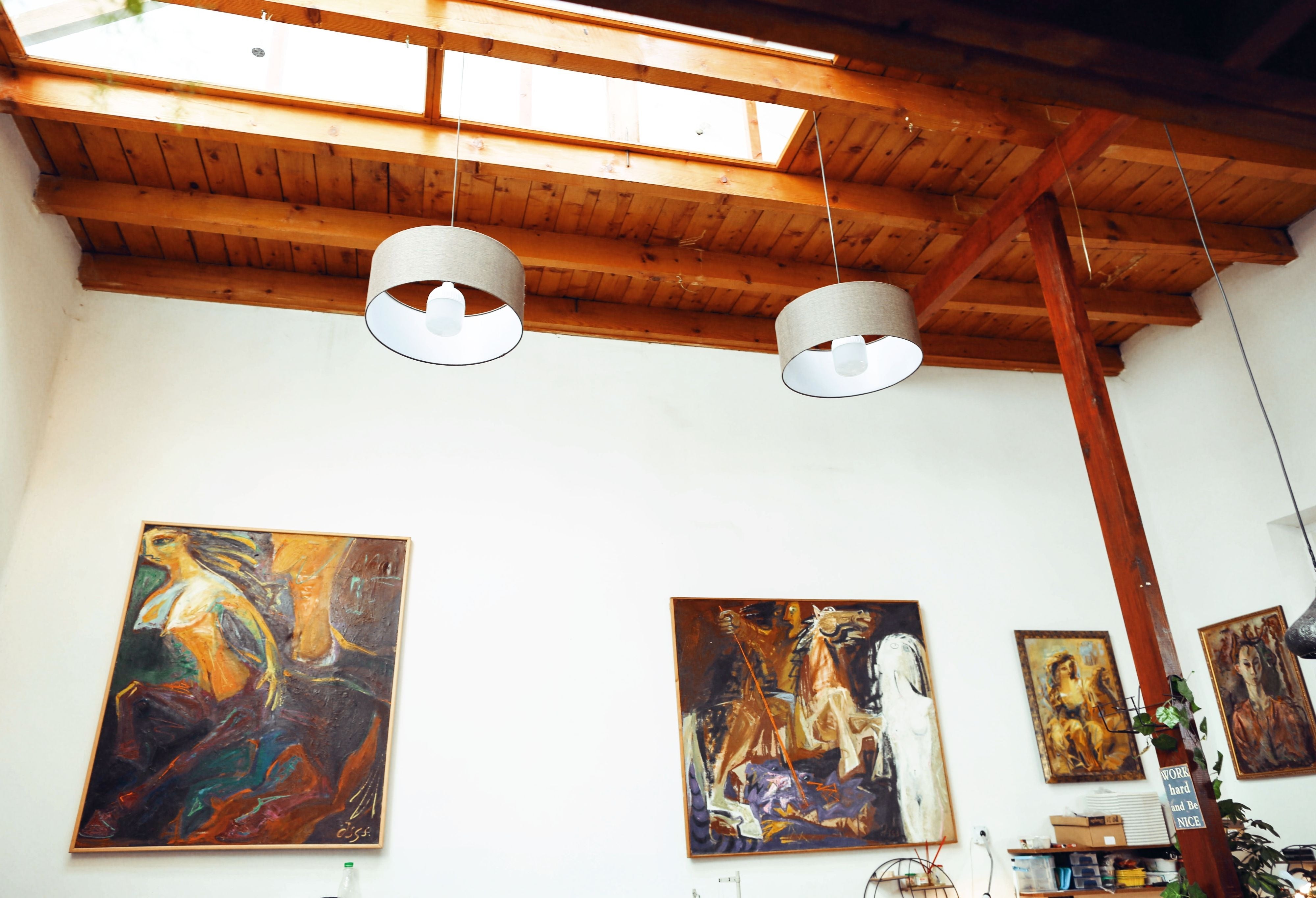
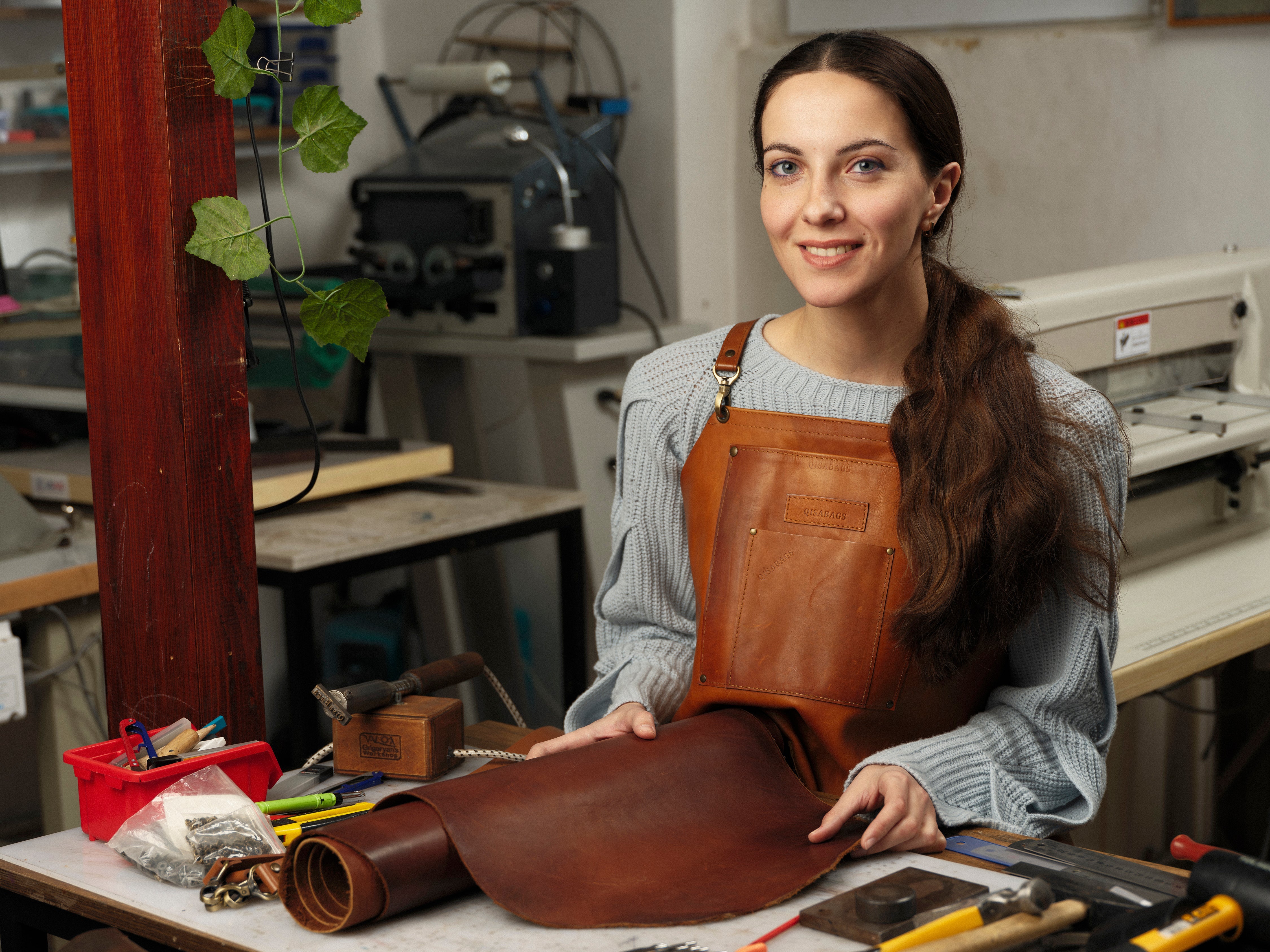
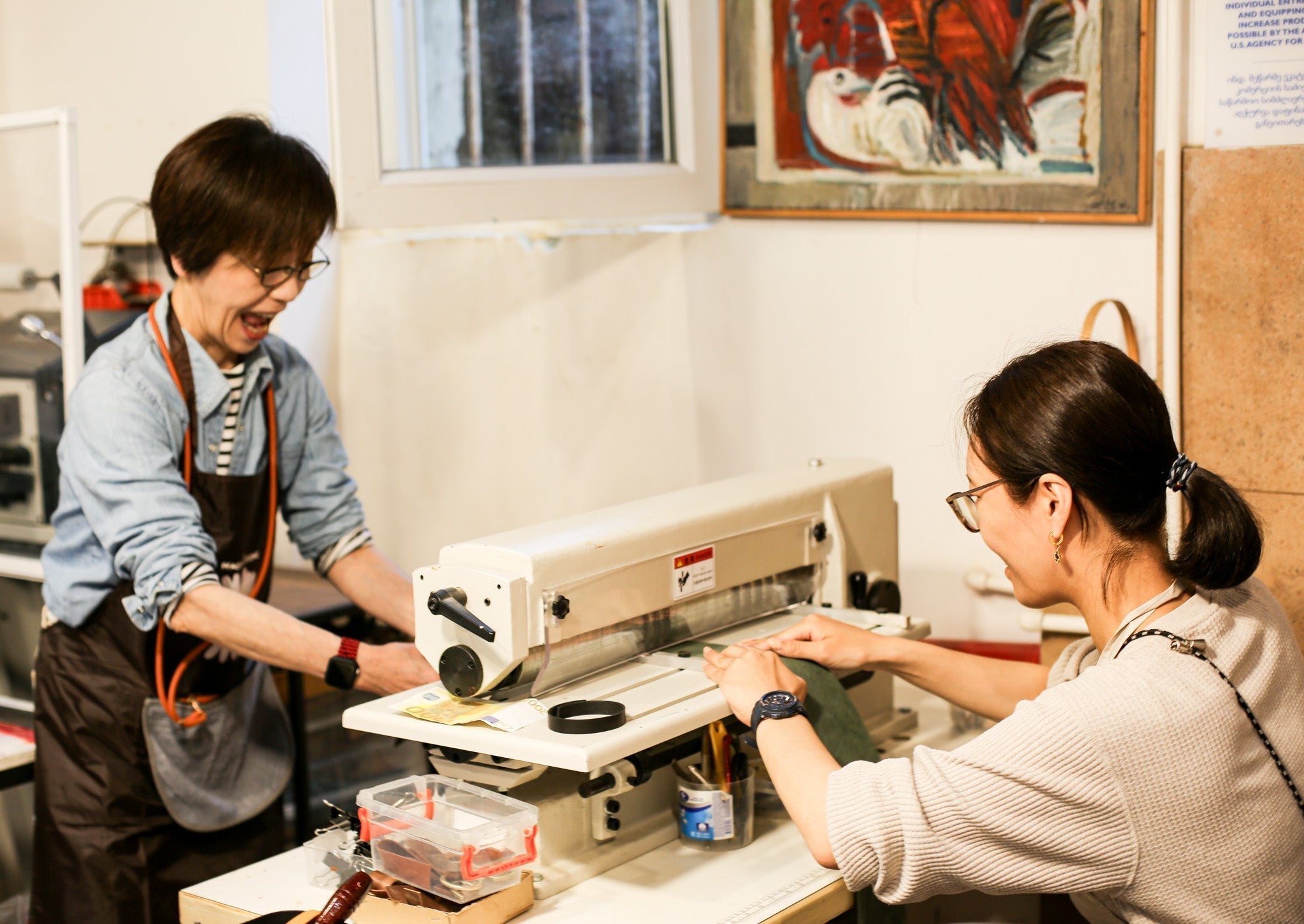
After years of working with leather every single day in our Tbilisi workshop, this is one of the questions we get most often. So let's clear it up properly.
First: The Leather Hierarchy You Need to Know
Before we get to full-grain versus Italian leather, it helps to understand how leather is graded in the first place. Most people walk into a store, see "genuine leather" on a tag, and assume that means quality. It doesn't. It's actually close to the opposite.
Here's the honest breakdown, from best to worst:
Full-Grain Leather
Full-grain leather is the highest quality grade of leather that exists. It comes from the very top layer of the hide — the outermost surface — and crucially, it is not sanded, buffed, or corrected in any way. The natural grain, with all its subtle variations and character marks, is left completely intact.
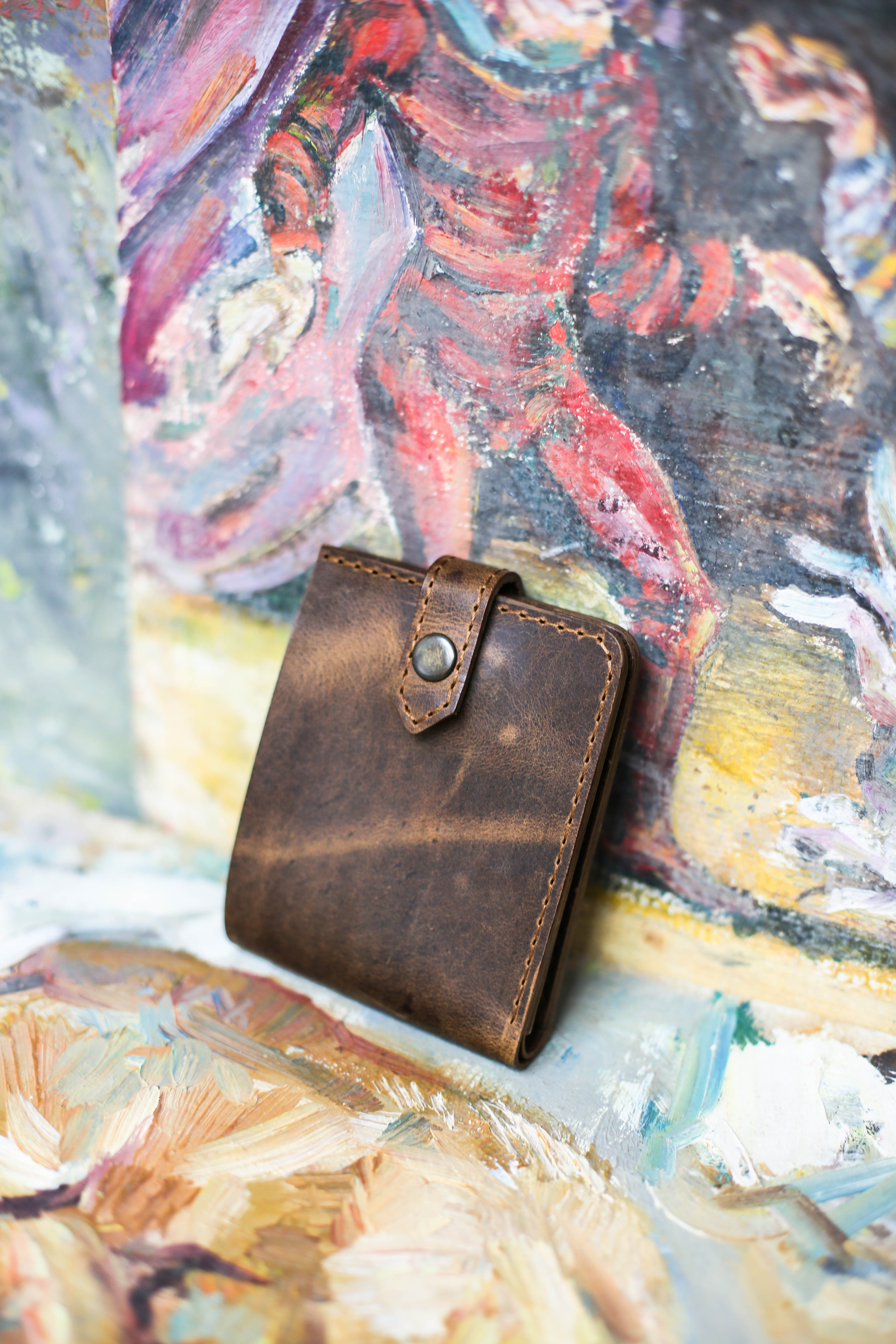
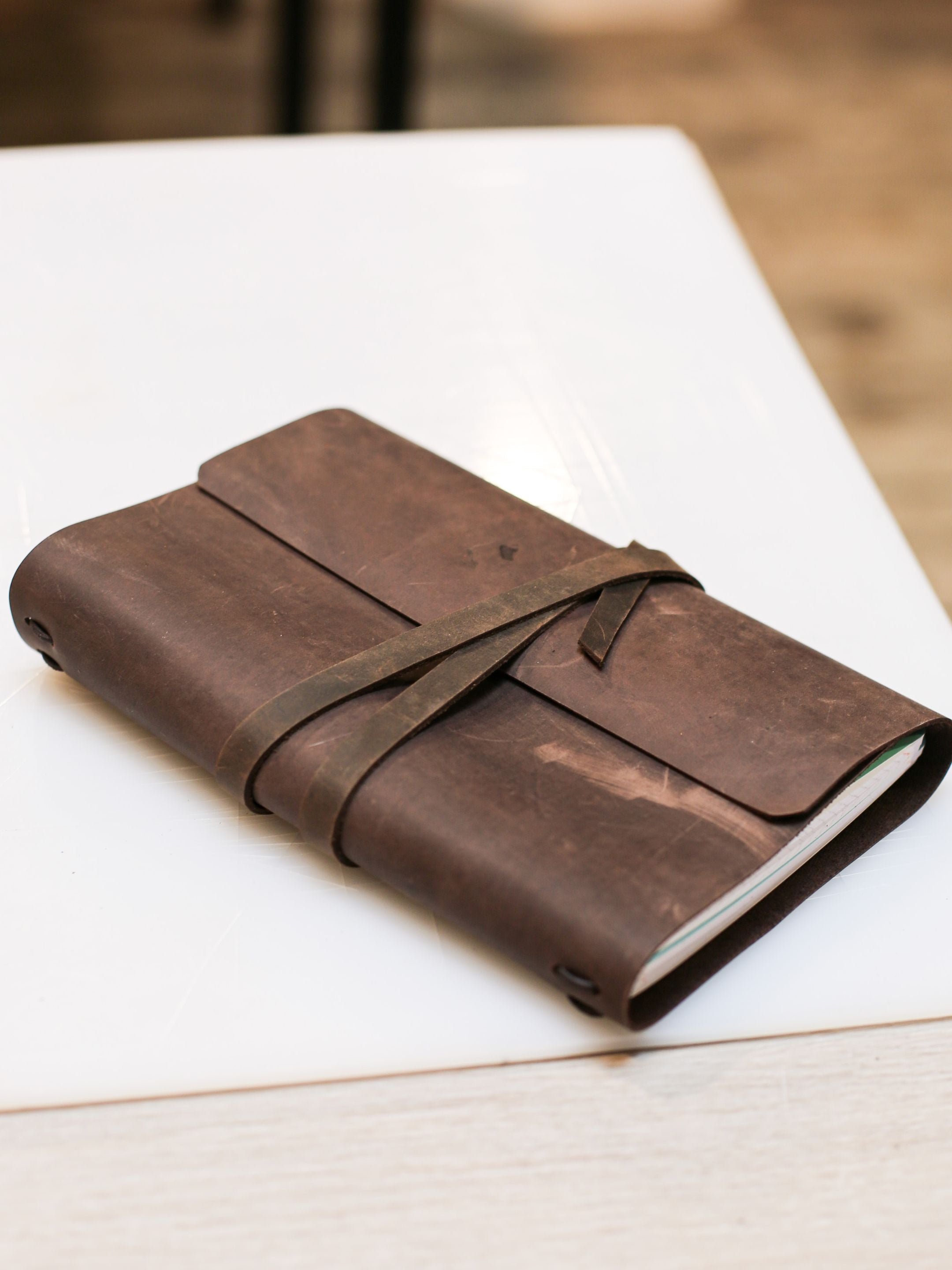
Because nothing is removed, full-grain leather retains the tightest, strongest fiber structure of the entire hide. It's the part of the skin that spent years protecting the animal from the elements — and that toughness carries over into the finished product. A well-made full-grain leather bag can last 20, 30, even 40 years with basic care. It doesn't just hold up. It gets better. The oils from your hands, the light, the small scuffs of daily life — all of it contributes to a rich, deepening patina that becomes entirely unique to you and the way you carry your bag.
Only about 10–15% of hides meet the standard for full-grain products. The hide has to be nearly blemish-free, because there's nowhere to hide imperfections when you're leaving the surface untouched.
Top-Grain Leather
Top-grain is the second-highest grade. It starts as full-grain leather, but the outermost surface is sanded or buffed down to remove any imperfections, then coated with a finish to create a more uniform look. The result is smoother, more consistent — and significantly weaker, because the strongest fibers have been removed.
Top-grain leather is widely used in designer handbags precisely because it looks pristine out of the box. The trade-off is that it doesn't age as gracefully, and it won't develop the same depth of patina as full-grain.
Genuine Leather
Despite the reassuring name, genuine leather is actually one of the lowest quality grades. It's made from the inner layers of the hide — the parts left over after the top layers are removed for full-grain and top-grain production. It's real leather, technically. But it has poor fiber structure, limited durability, and tends to crack or peel within a few years of regular use.
If a product says "genuine leather" without specifying the grade, treat it as a warning sign, not a selling point.
Bonded Leather
Bonded leather is leather scraps and dust mixed with a polyurethane binder. It can contain as little as 10–20% actual leather. It looks like leather briefly and deteriorates fast. Avoid.
So What Is "Italian Leather "Crazy Horse" Leather?
Here's where it gets interesting — and where a lot of people get misled.
"Italian leather" is not a grade of leather. It's a description of origin and, more meaningfully, of tanning tradition.
Italy — particularly the Tuscan region, home to the famous tanneries of the Santa Croce district — has been producing leather for centuries using a method called vegetable tanning. This is a slow, natural process that uses tannins extracted from tree bark and plants rather than the chromium salts used in modern chrome tanning. A vegetable-tanned hide takes weeks to produce. A chrome-tanned hide takes days.
The difference in the final product is significant:
- Vegetable-tanned Italian leather is firmer when new, develops a spectacular patina over time, has a natural, earthy smell, and is considered the most sustainable tanning method because it uses no harsh chemicals
- Chrome-tanned leather is softer and more pliable right away, more uniform in color, and less expensive to produce — but it doesn't patina the same way and has a higher environmental footprint
When people talk about Italian leather bags having a certain soul to them, what they're really describing is the result of this tanning tradition, combined with the generational craftsmanship that goes into working the material.
That said — and this is important — "Made in Italy" on a tag does not automatically mean high quality. Italy produces leather across all grades, including genuine leather. A bag can be made in Italy from low-grade leather, or it can be made outside Italy from exceptional full-grain leather tanned by Italian tanneries. The label tells you part of the story. Not all of it.

Full-Grain vs. Italian Leather: The Right Question to Ask
Now that we've separated the two concepts, the real question becomes clearer:
The best leather bags use full-grain leather that has been tanned using Italian methods — ideally vegetable-tanned, ideally from a named tannery with a traceable supply chain.
Full-grain tells you about the quality of the hide itself. Italian (and specifically vegetable) tanning tells you about how that hide was processed. The two together are what produce a bag that genuinely improves with age and lasts decades.
This is exactly why, in our Qisa workshop in Tbilisi, we work with both Georgian full-grain leather and Italian-tanned full-grain leather for our signature collections. Georgian leather has its own remarkable qualities — it's dense, characterful, and has been used by craftspeople in the Caucasus for centuries. Italian-tanned leather brings that long, slow vegetable tanning tradition that produces a material of extraordinary richness. Using both isn't a compromise. It's a choice to work with the best available for each design.
How to Tell the Difference When You're Shopping
Knowing the theory is one thing. Actually identifying quality leather when you're looking at a bag — online or in person — is another. Here are the things we look for:
Look at the edges
Full-grain leather bags will have burnished, finished edges that show the natural layers of the hide. Bonded or genuine leather edges often look painted over, or they're folded and glued to hide the inside. On a Qisa bag, you'll see the edge of the hide clearly — we burnish them by hand.
Feel the surface
Full-grain leather feels slightly irregular under your fingers. You can sense the natural grain variations — tiny shifts in texture that tell you the surface hasn't been sanded down. Top-grain leather feels smooth and uniform. Bonded leather often feels slightly plastic.
Smell it
Quality full-grain leather, especially vegetable-tanned, has a distinctive natural smell — earthy, rich, slightly woody. It's unmistakable once you know it. Synthetic or low-grade leather often smells chemical or has no particular smell at all.
Check the hardware
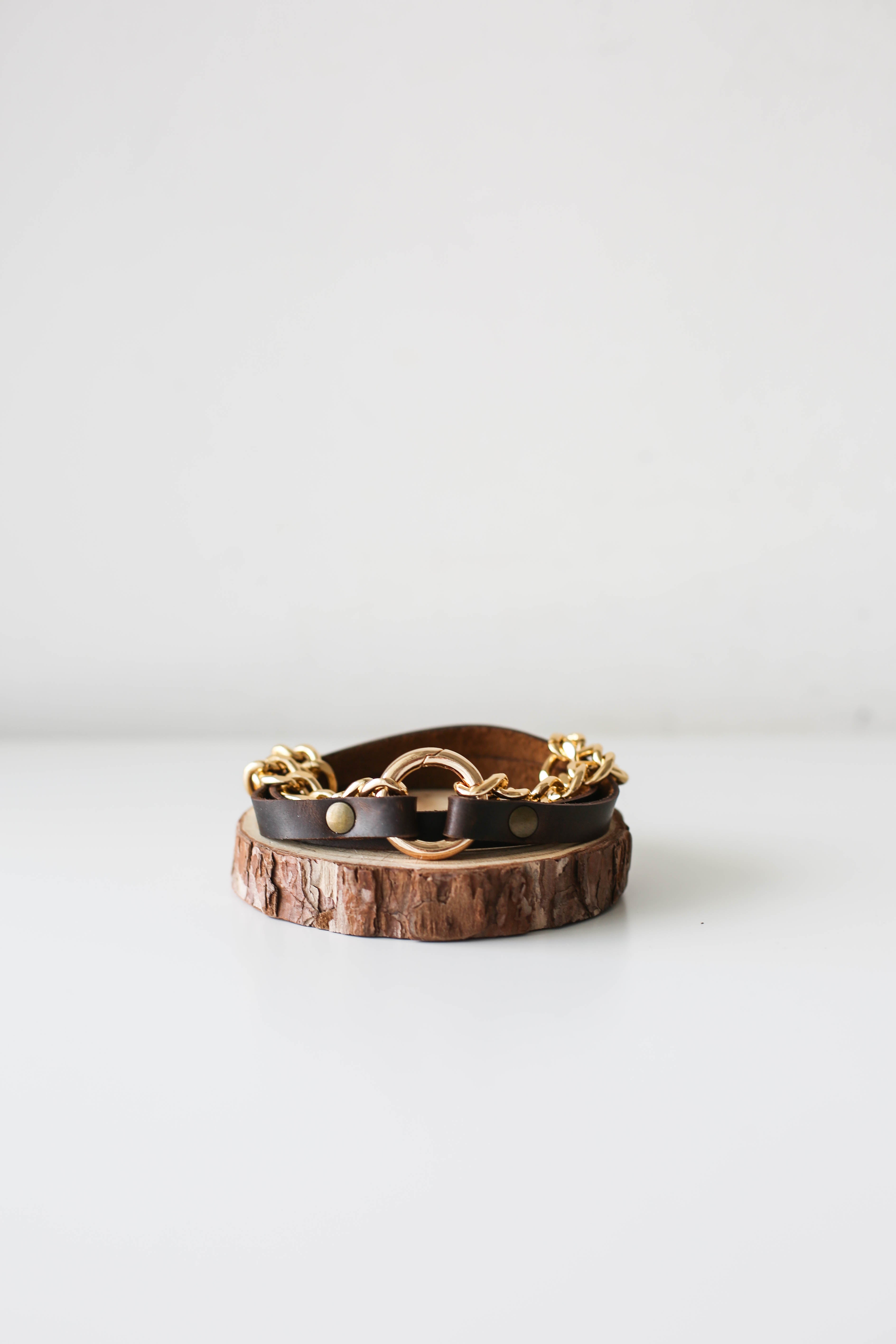
The leather and the hardware tell the same story. A bag made with genuine full-grain leather won't cut corners on the buckles and zippers. Look for solid brass or zinc hardware that feels weighty. Lightweight, hollow-feeling hardware is usually a sign that the leather underneath isn't the real thing either.
Ask the maker directly
A brand that uses genuine full-grain leather will tell you, plainly and without hesitation, exactly what grade their leather is, where it comes from, and how it was tanned. Vague answers like "premium leather" or "high-quality materials" without specifics should make you pause.
Why This Matters for the Long Term
Choosing the right leather for your bag isn't just about quality for its own sake. It's a financial decision, an environmental one, and in some ways a personal one.
A genuine full-grain leather bag, properly cared for, will outlast four or five fast-fashion bags easily. Choosing quality once — buying well once — means less waste, less spending over time, and a bag that carries real meaning by the time it's been with you for a decade. The patina it develops, the way it softens and shapes itself to how you carry — there's nothing else that does that.
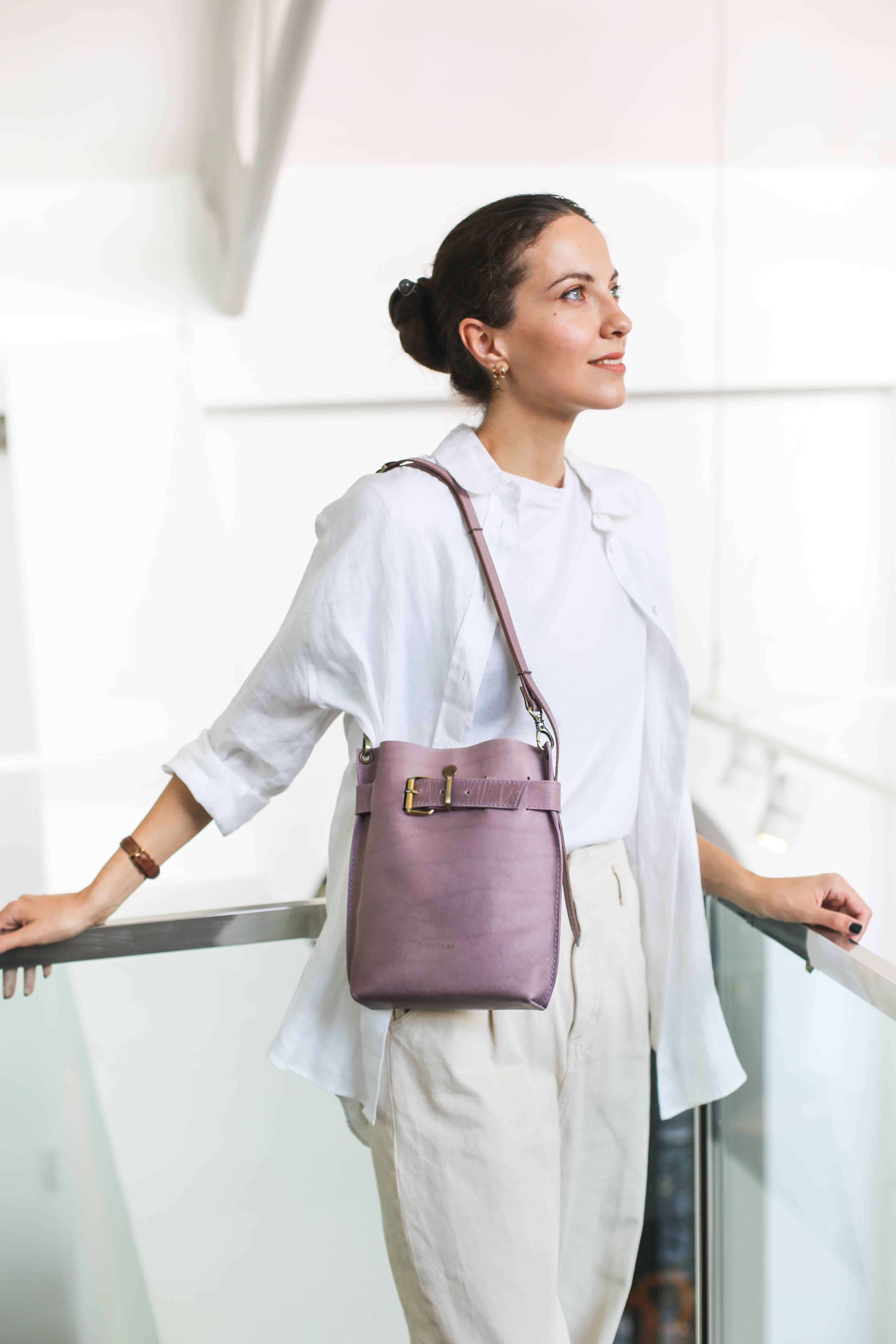
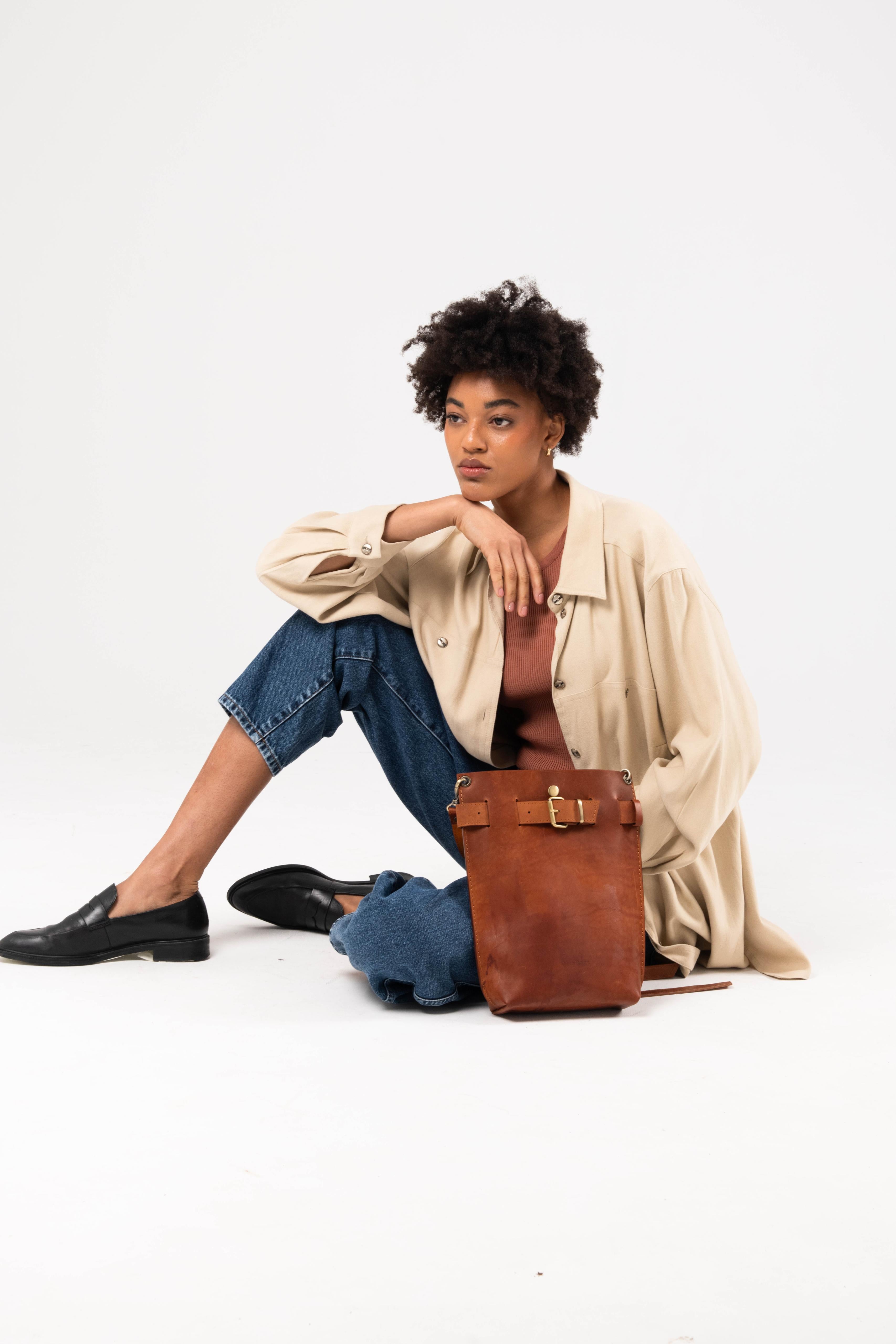
This is something we think about constantly at Qisa. Every bag we make is built to be someone's bag for a long time. Not just this season. The Medea Backpack, the Circe, the Orpheus — these are designed to be carried for years and to look better for it, not worse. That's only possible when the leather is right from the start.
Quick Reference: Full-Grain vs. Italian Leather at a Glance
| Feature | Full-Grain Leather | Italian Leather (Vegetable-Tanned) |
|---|---|---|
| What it describes | The grade/quality of the hide | The origin and tanning tradition |
| Surface treatment | None — natural grain intact | Varies, but traditionally unaltered |
| Durability | Highest — 20–40+ years | High — depends on hide grade |
| Patina development | Excellent, deepens over time | Exceptional with vegetable tanning |
| Price | Higher — only 10–15% of hides qualify | Higher — slow tanning process |
| Best used for | Investment bags, everyday carry | Investment bags, heirloom pieces |
Frequently Asked Questions
Is full-grain leather the same as Italian leather?
No — they describe different things. Full-grain refers to the quality grade of the hide (the highest grade, with the natural surface left intact). Italian leather refers to leather produced using traditional Italian tanning methods, typically vegetable tanning. The best bags use full-grain hides processed with Italian vegetable tanning. You can have one without the other.
Is Italian leather always good quality?
Not automatically. Italy produces leather across all grades, including genuine and bonded leather. The origin alone doesn't guarantee quality. What matters is the grade of the hide and the tanning method. Look for "full-grain" plus "vegetable-tanned" plus a named tannery or a brand that's transparent about its supply chain.
What is the best leather for a bag that lasts a lifetime?
Full-grain leather, ideally vegetable-tanned. It retains the strongest fiber structure, develops a beautiful patina with use, and with basic care can last 20–40 years. It will cost more upfront, but costs far less over a decade than replacing lower-quality bags every few years.
How do I know if a bag is genuine full-grain leather?
Check the edges (they should show natural hide layers, not be painted over), feel the surface (slight natural grain variations, not perfectly smooth), smell it (earthy, natural smell), and ask the maker directly. A genuine full-grain leather brand will tell you exactly what grade their leather is without hesitation.
Why does Qisa use both Georgian and Italian leather?
Because both are exceptional for different reasons. Georgian full-grain leather is dense, characterful, and part of a leather-making tradition that goes back centuries in the Caucasus. Italian-tanned leather brings the slow vegetable tanning process that produces extraordinary richness and depth. Our different collections draw on both — always full-grain, always chosen for longevity over convenience.
At Qisa, every bag starts with the leather. We only work with full-grain hides — Georgian and Italian — because we've seen too many beautiful designs let down by the material underneath. If you want to see what the right leather looks like in practice, our Golden Fleece collection is a good place to start. Or if you're ever in Tbilisi, come to the workshop. We'll show you the difference with your own hands.
→ Browse the Golden Fleece Collection
→ Shop All Leather Backpack Purses
→ Book a Leather Workshop in Tbilisi

Leave a comment
This site is protected by hCaptcha and the hCaptcha Privacy Policy and Terms of Service apply.