


Article: How to Choose a Leather Bag That Lasts Decades
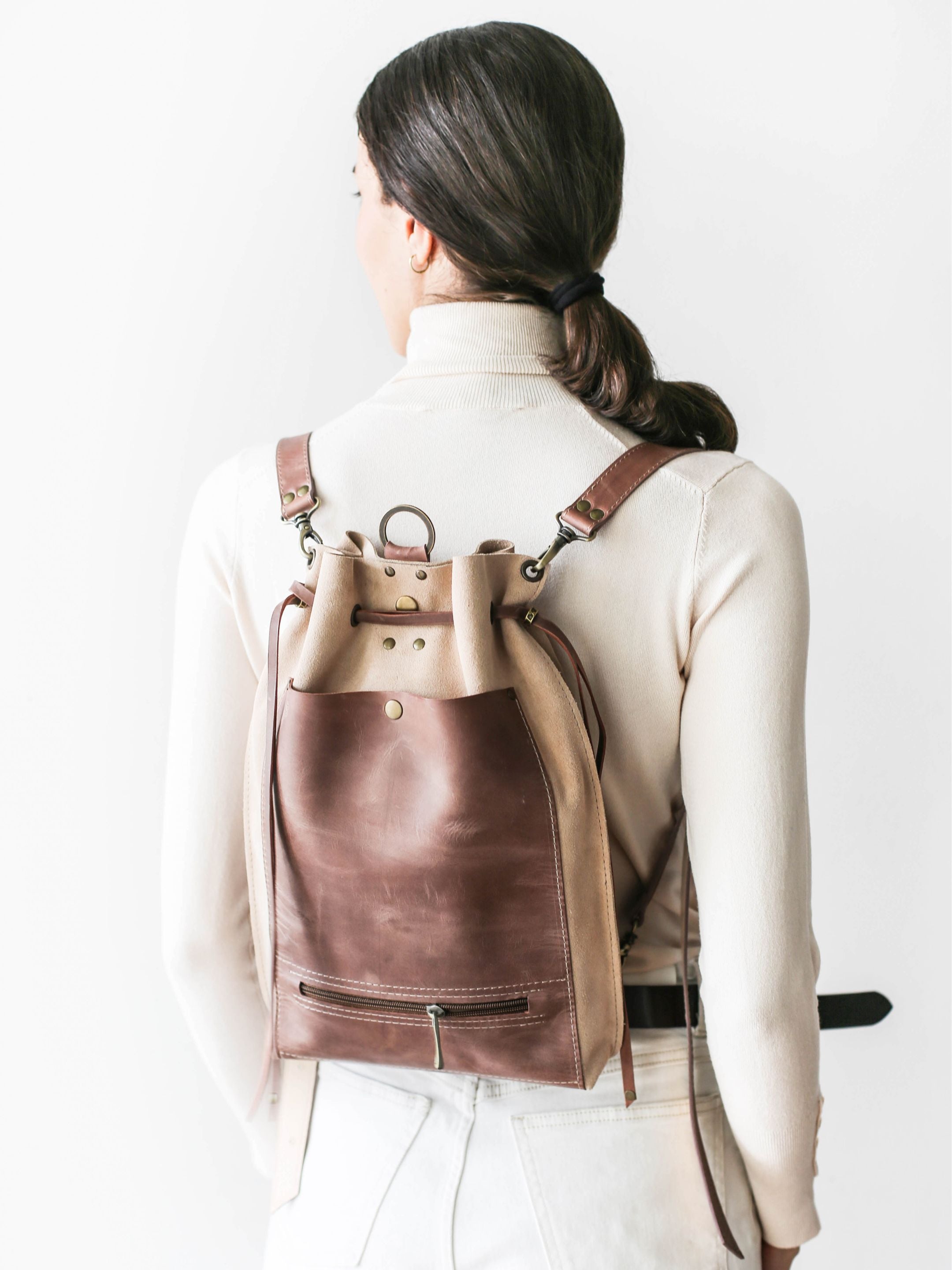
How to Choose a Leather Bag That Lasts Decades
I've spent years with leather in my hands, and if there's one thing I wish every shopper knew, it's this: a leather bag can either fall apart in a season or become the bag you carry for the next twenty years — and you can usually tell which one you're holding before you buy it. The difference isn't luck or price. It's a handful of details anyone can learn to read.
So here's the honest, maker's guide I'd give a friend. Learn these signs and you'll never waste money on a bag that won't last.
Start with the leather: why full-grain matters most
Everything begins with the hide. The grade of leather is the single biggest factor in how long a bag will live, so it's worth understanding the terms — because they're often used to make lower quality sound better than it is.
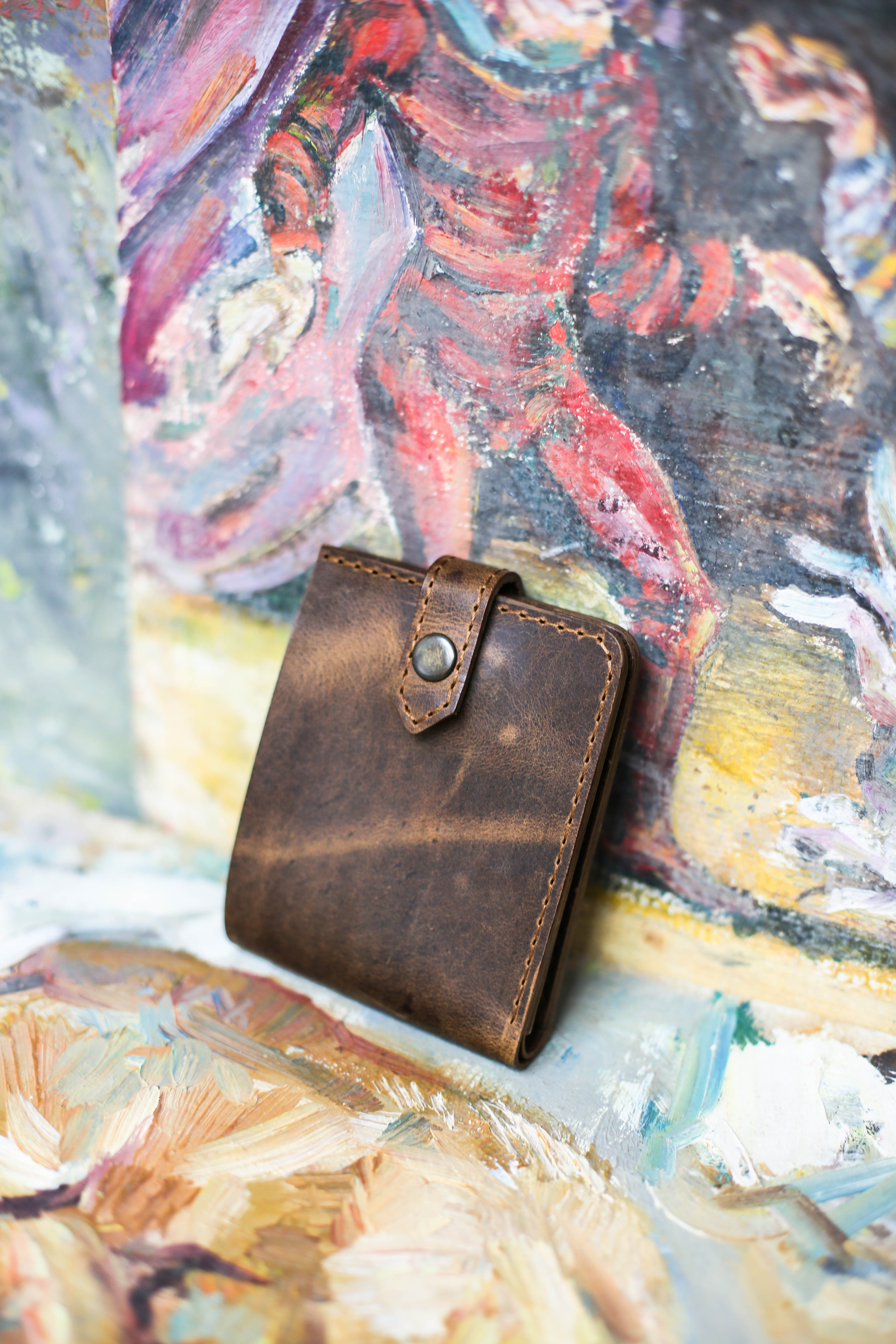
- Full-grain leather is the highest grade. It's the top layer of the hide with its natural surface left intact, nothing sanded away. It's the strongest, most durable leather, and the only kind that develops a true patina — that rich, deepening sheen that makes a good bag look better with age. This is what you want.
- Top-grain leather has had its surface sanded and corrected. It looks uniform but is thinner and less durable, and it won't age the same way.
- “Genuine leather” sounds reassuring, but it's actually a lower grade made from the leftover layers. It's real leather, yes, but not built to last.
- Bonded leather is the one to avoid entirely — leather scraps glued together. It can peel and crack within a year.
How do you tell? Real full-grain leather has small natural marks and pores — no two pieces are identical. It feels firm but supple, smells like leather rather than plastic, and if you press it gently, it creases naturally like skin. A perfectly flawless, uniform surface is often a sign of heavy correction or a synthetic coating.
Look closely at the stitching
Stitching is where a bag quietly succeeds or fails, because it's what holds everything together under daily stress. Here's what good stitching looks like:
- Even and straight — consistent stitch length with no wandering lines or skipped stitches.
- Tight, not loose — threads sit snug against the leather without gaps you could catch a fingernail in.
- Reinforced at stress points — look for backstitching or extra rows where handles and straps meet the body. That's where bags tear first, so that's where care matters most.
- Quality thread — thick, waxed, bonded nylon or polyester thread lasts far longer than thin cotton.
Run your eye along the seams and the handle joins. Sloppy, uneven stitching there is the clearest sign a bag was rushed — and a rushed bag rarely lasts.
Check the hardware
The zippers, buckles, clasps, and rings are the moving parts, and they take a beating. Cheap hardware is often the first thing to fail on an otherwise decent bag.
- Weight and feel: solid metal hardware feels substantial and cool to the touch. Hollow, lightweight, or plasticky pieces are a red flag.
- Solid brass is ideal — it doesn't rust and ages gracefully. Quality zippers (YKK and similar) glide smoothly and don't catch.
- Attachment: check how the hardware is fixed to the bag. It should be riveted or securely stitched, not lightly glued.
- Test everything: open and close every zipper and clasp a few times. It should move cleanly, every time.
Don't overlook the edges and lining
The details reveal the craftsmanship. On a well-made bag, the cut edges of the leather are burnished or painted smooth and sealed — not left raw, rough, or already flaking. Raw, unfinished edges will fray over time.
Inside, a proper lining (or a beautifully finished leather interior) and clean, tucked seams show the maker cared about the parts you don't immediately see. That inner care is often the best predictor of how a bag will hold up.
A quick checklist before you buy
- Is it full-grain leather? (Not “genuine” or bonded.)
- Is the stitching even, tight, and reinforced at the handles?
- Is the hardware solid metal, ideally brass, and smooth to operate?
- Are the edges finished and sealed rather than raw?
- Is the interior clean and well-constructed?
- Does the maker stand behind it with a warranty?
If a bag passes all six, you're holding something built to last.
The last piece: a little care goes a long way
Even the finest bag needs a little looking after. The good news is that full-grain leather is forgiving and only gets better with gentle care — conditioning now and then, keeping it out of prolonged direct sun and soaking rain. I've put together everything you need to know on our leather care page, so your bag ages the way it should.
Why our bags are built this way
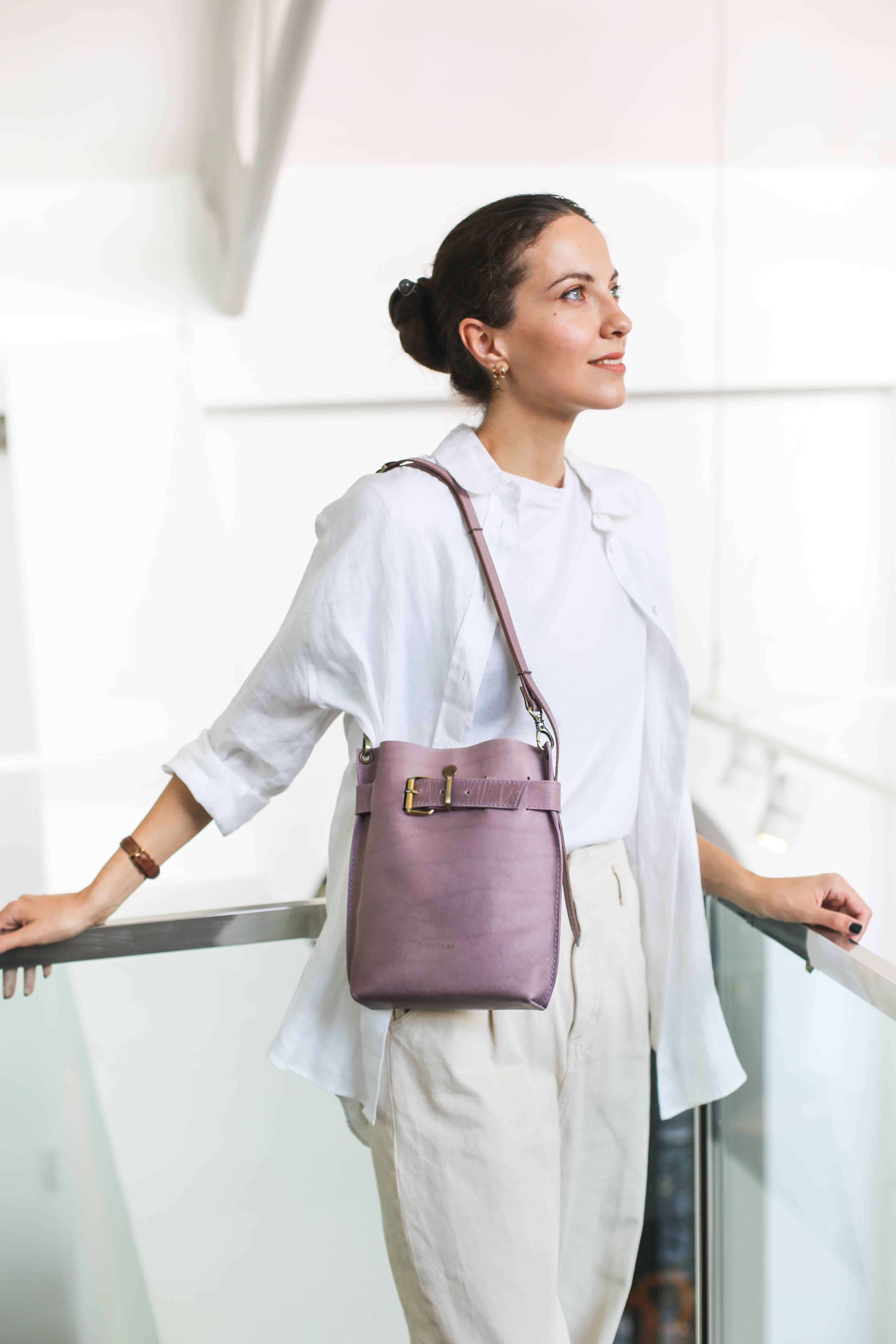
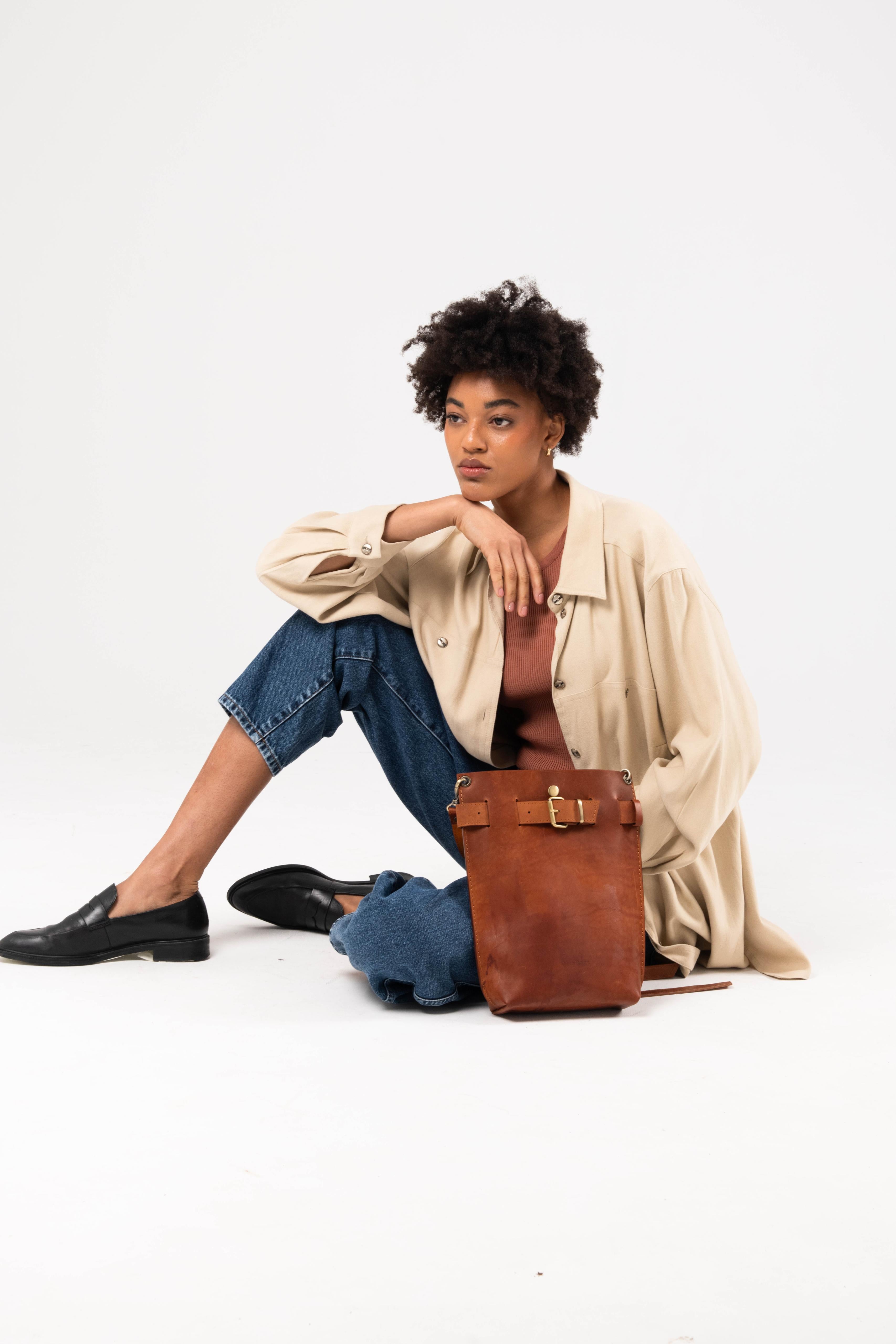
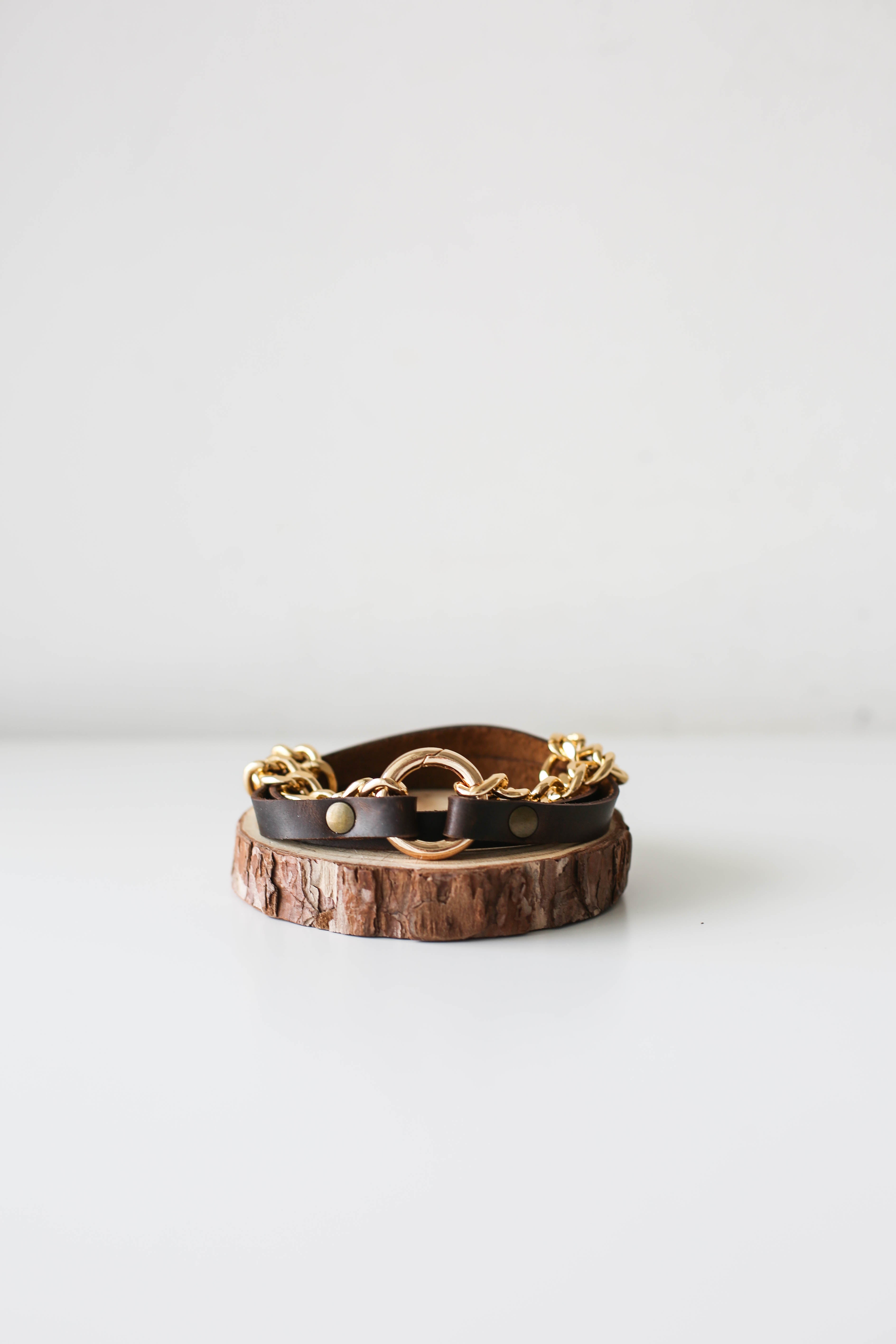
We use premium full-grain and Italian leather, solid brass hardware, and stitching reinforced where it counts — each piece handcrafted in our Tbilisi atelier and made in limited editions. We back that with a two-year warranty, and we ship worldwide.
If you'd like to see it in person, explore our bestsellers, the Golden Fleece collection, or the full women's range.

Choose well once, care for it a little, and a good leather bag will be with you for a very long time.
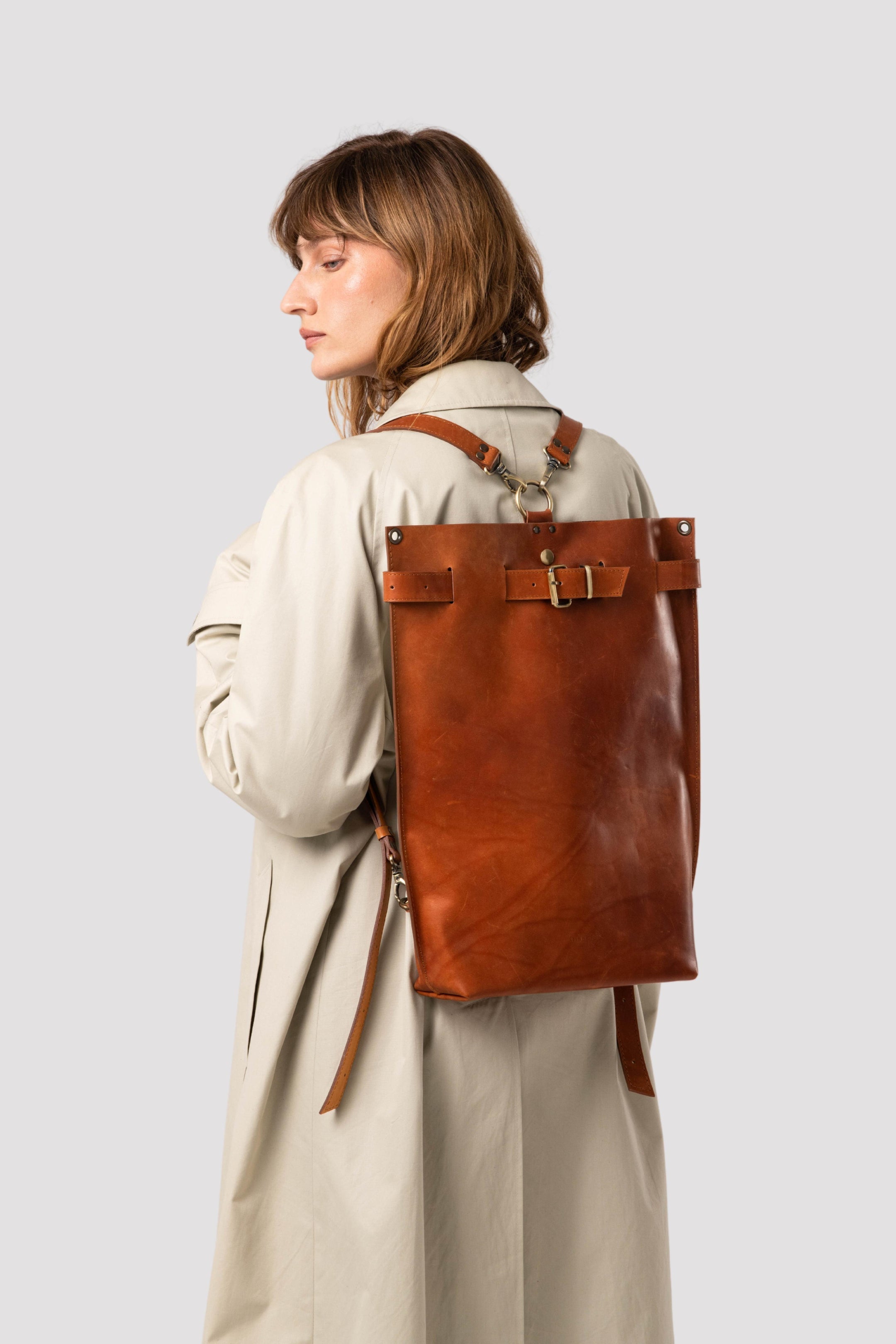

Leave a comment
This site is protected by hCaptcha and the hCaptcha Privacy Policy and Terms of Service apply.